
Concrete floor installation in Duluth MN - a slab built for what goes on top
Floor cracked, sinking or uneven? We pour a new slab on a packed base, with the moisture layer placed for your flooring.
I look at every job myself
I come out to see every floor before we price it, so the person who measures your job is the one who plans it. I'm also on the pour with our crew, so the plan doesn't change hands.
Pouring concrete since 2017
I learned on small slabs and walks, then on job sites, and started this business in 2017. Our crew pours floors, driveways, footings and foundations from Duluth to Superior, Hermantown, Cloquet and other cities nearby.
Licensed and fully insured, every job
We're licensed and fully insured for the work we do on your property. Your satisfaction, guaranteed. Call (218) 241-4178 or use the form below, and I'll come take a look at your floor.
Concrete floor installation in Duluth, MN
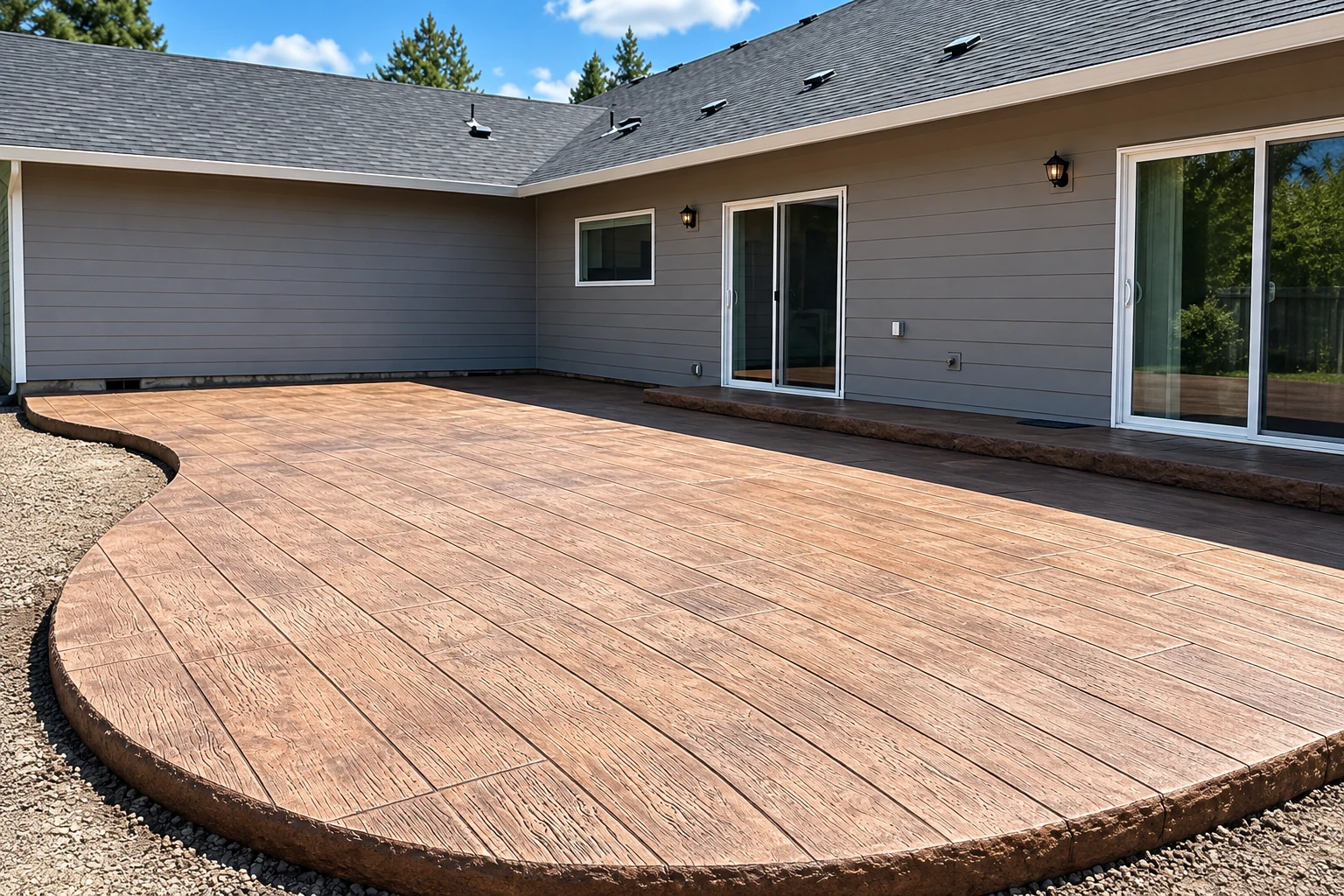
Concrete floor installation means pouring a new slab for a basement, garage, shop or outbuilding on ground that's been dug out and packed, then finishing it so it holds up. It's for Duluth homeowners and small business owners who need a floor they can build on or cover.
The price follows the floor's size and thickness, how much digging and packed gravel the ground needs, and whether the slab gets rebar, steel bars laid inside to hold it together if it cracks. A reinforced slab costs more per square foot than a plain pad, and staining or stamping is extra. The schedule turns on the weather and on the ground being thawed and ready. When I come out, I'll give you a written estimate that lists what's included.
Permits are part of the planning. We look into yours up front, tell you which office handles it, and take care of the application when we're the contractor doing the work. In Duluth, applications go to the city's Construction Services & Inspections office. A floor in a new home needs more planning, because Minnesota requires a passive radon system that vents gas from under the slab, and that system needs its own permits and inspections.
Concrete floors and the groundwork under them
A packed base, dug to firm ground
We dig out topsoil and soft spots and pack the subgrade, the ground the slab sits on, then slope it so water drains where it should. Raking dirt level is the first thing people cut to save money and the usual reason floors sink, so I'd trim the finish before I'd trim the base. In St. Louis County, the state puts footings at least five feet deep for frost unless a soils engineer decides otherwise, and a detached one-story garage or shed up to 1,000 square feet can sit on a slab on any soil but peat or muck.
Moisture protection placed for your flooring
Before we pour a floor, I ask what's going on top of it, whether that's tile, vinyl, wood, a coating or nothing, because that decides where the vapor retarder goes. That's the moisture-blocking sheet that keeps damp ground from working up into your flooring. One floor guide says it protects coverings and coatings best when it sits in direct contact with the slab, so we place it to protect what you're putting down. If you're covering the floor, ask us where ours goes and why.
Joints and curing planned ahead
Before the pour, we lay out control joints, shallow cuts that give the slab a planned line to crack along, so a crack follows a straight groove instead of wandering across the room. Curing, keeping the new slab damp while it hardens, starts as soon as the finish is done, and trade guidance calls for a sprayed curing compound or damp burlap kept moist for at least three days. We plan joints and curing the same way on concrete pool decks and concrete steps.
Get a written estimate for your concrete floor
We reply within one business day to set up a time, and I come out to look at the floor myself. The on-site estimate is free, comes in writing, and there's no pressure to book.
(218) 241-4178How a concrete floor job goes
Call or send the form
You call (218) 241-4178 or send the form, and we get back to you to set up a visit. It helps to have the floor's rough size in square feet, what it'll be used for and when you're hoping to have it.
I walk the site with you
I come out, look at the ground and the access, and ask what's going on top of the floor. Then I send a written estimate that lists what's included, so you can see exactly what you're paying for.
Permits, prep, pour and care
Once you say go, we line up any permits and a pour date, dig out and pack the base, then place and finish the concrete with me on the crew. You get care steps to follow through the first season.
Concrete floor questions from Duluth
How much does a concrete floor cost in Duluth, MN?
A concrete slab or pad in Duluth usually runs about $7 to $14 per square foot, not counting staining or stamping. That's the going rate around here, not our price. Where your floor lands depends on its size, the base work and the finish, and your written estimate puts a number on it.
Can you pour a concrete floor in winter in Duluth?
Yes, if it's protected, because fresh concrete freezes when its own temperature drops below about 25°F, and that can cut its potential strength by more than half. It needs protection from freezing for about two days after the pour, on ground that's clear of snow and ice and not frozen. If the weather won't allow that, I'll tell you to wait.
Will my new concrete floor crack like the old one?
It may get some cracks, because no one can stop concrete from cracking entirely, but properly designed joints keep them few and where you expect them. That makes joint layout worth asking about before the pour. A packed base and steady curing help too.
Does a concrete contractor need a license in Minnesota?
Only in some cases. A contractor working directly for the owner of a one- to four-unit home needs a residential contractor or remodeler license once the job covers more than one skill. Slabs count as masonry and concrete work, so a crew doing only that needs no state license, while one that also does excavation or grading needs one.