
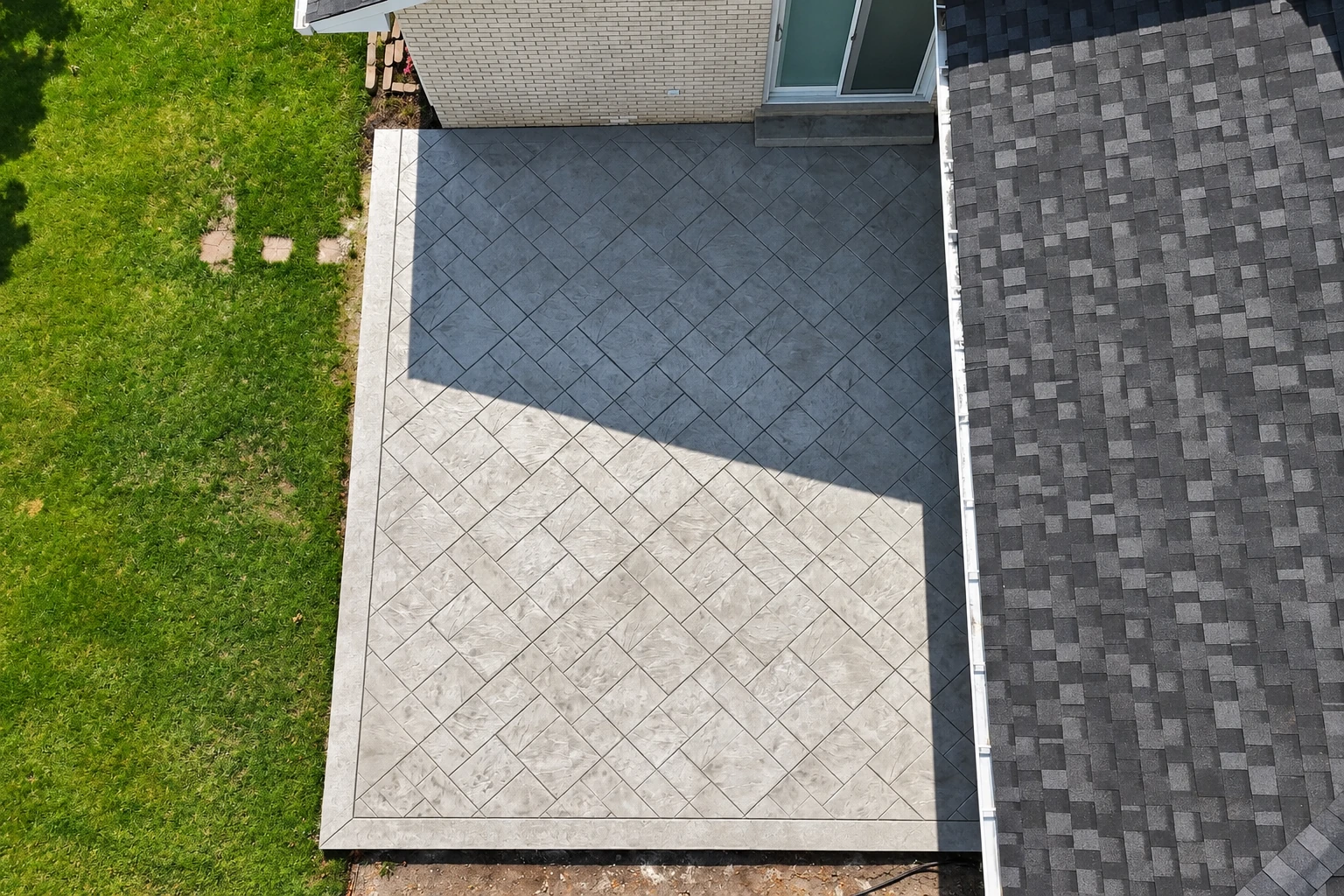
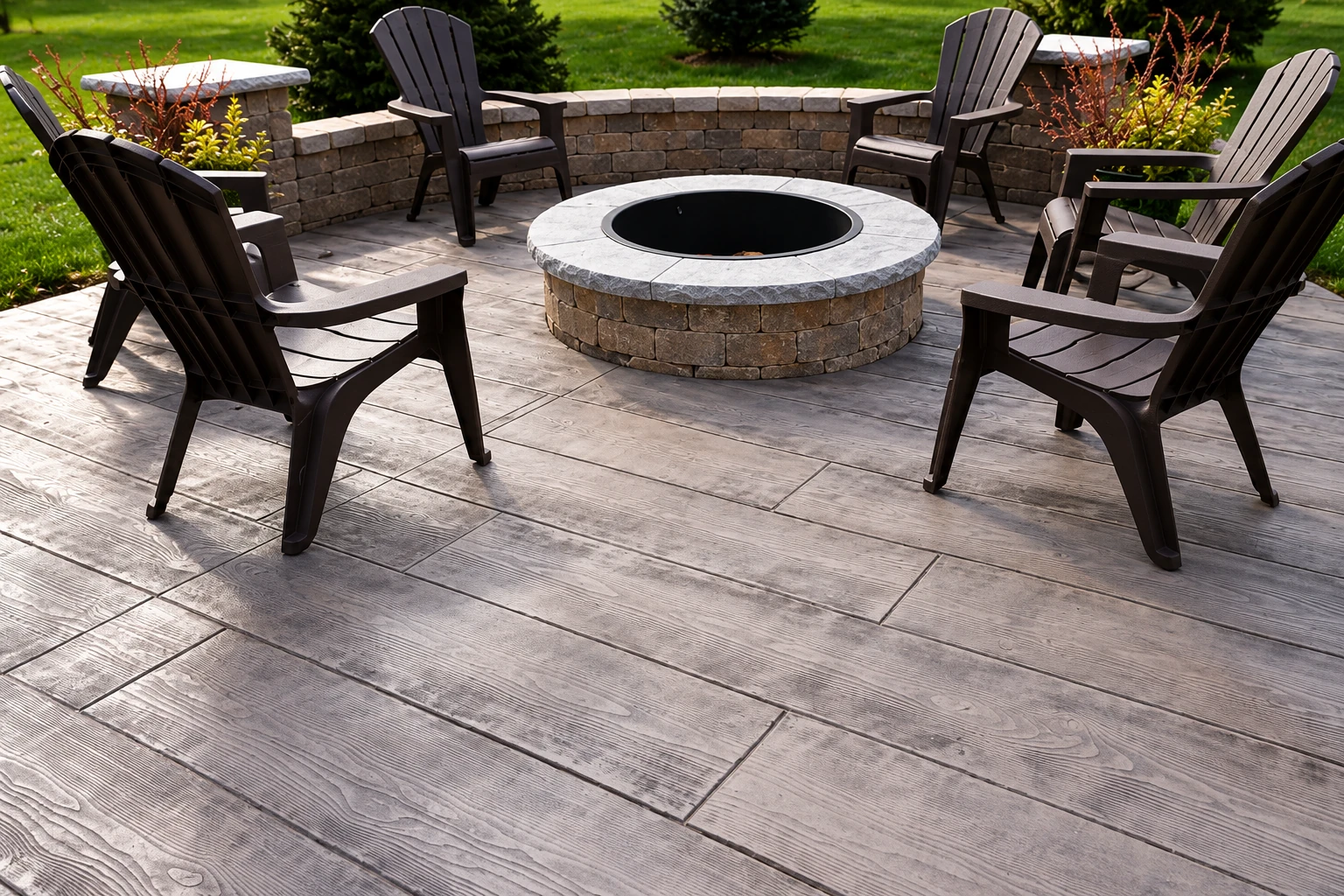
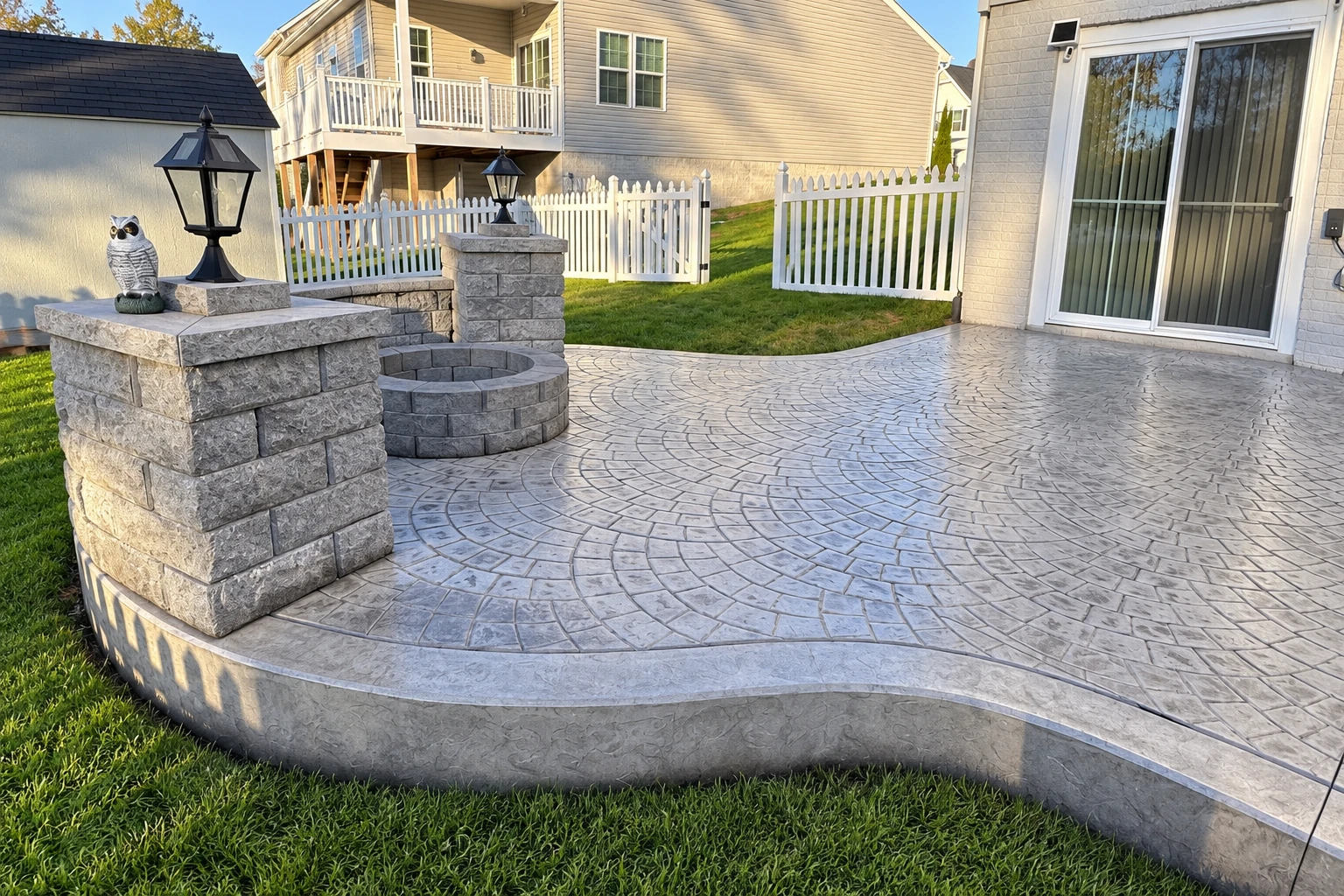
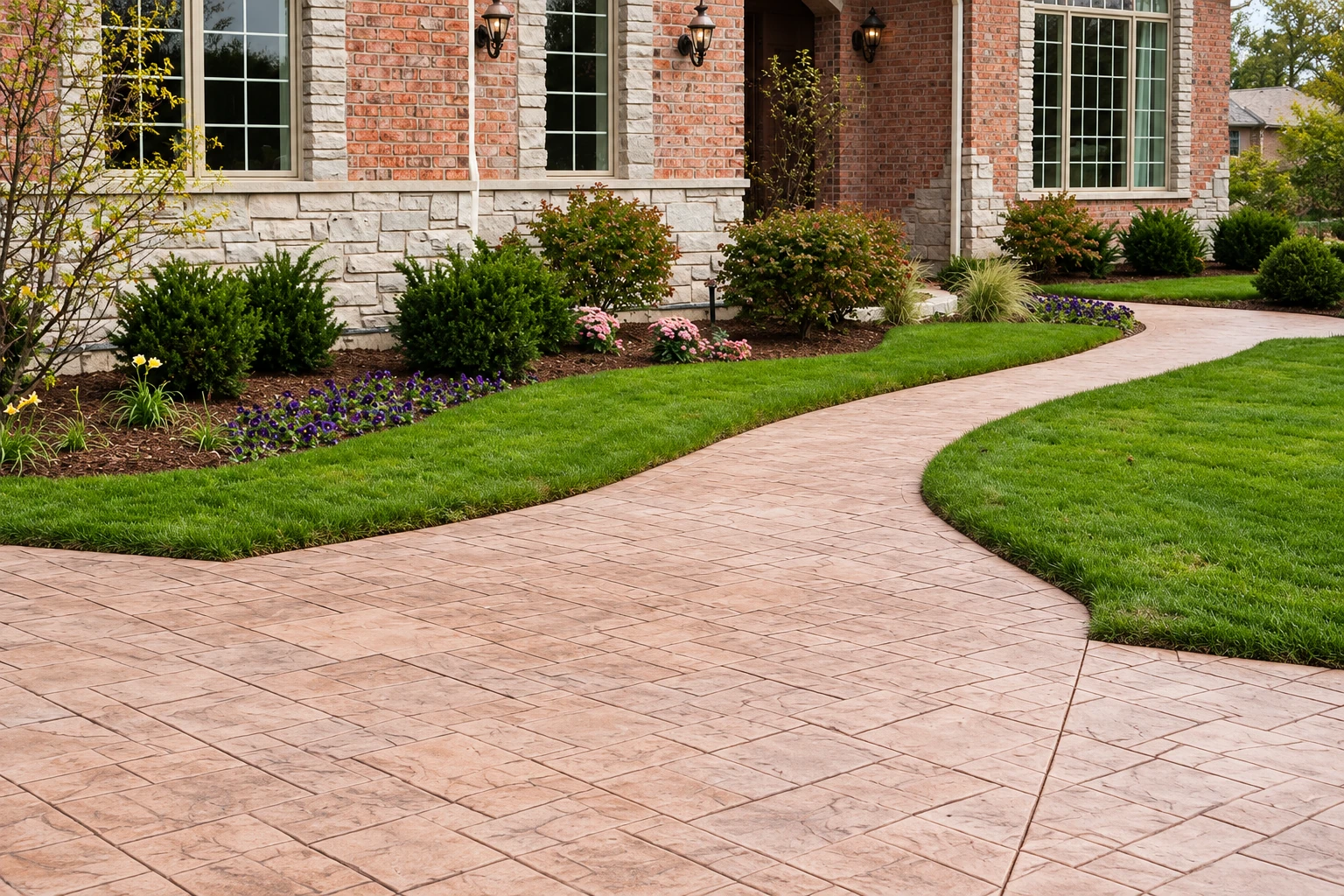
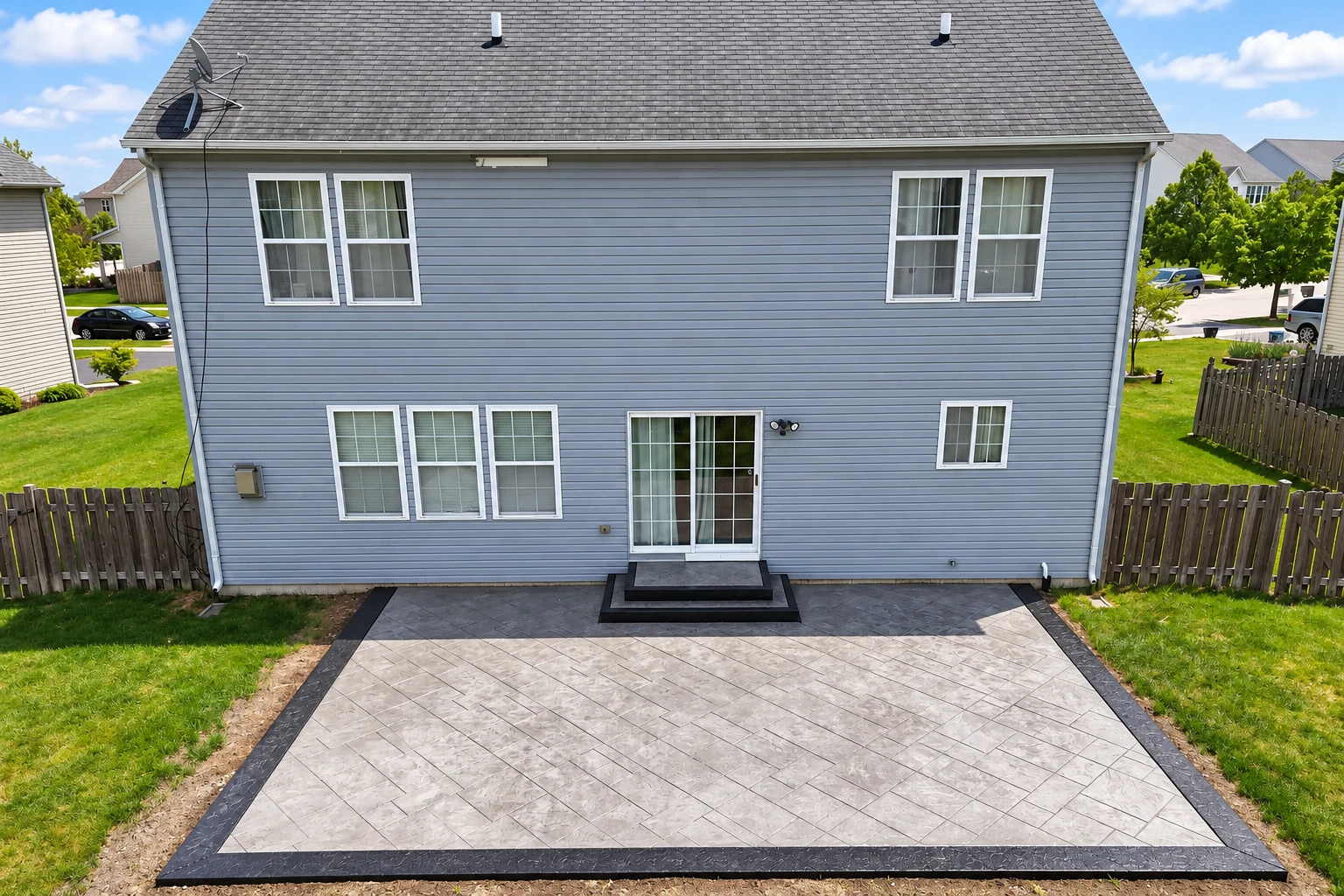
Hermantown sits just west of Duluth, but the jobs feel different once you're out here. Lots are bigger, a lot of houses sit well back from the road, and we see plenty of long gravel driveways that owners want in concrete, plus patios, garage slabs, steps and footings for additions and shops. Some calls come from small businesses that need a lot or a floor. It's the same work we do in Duluth and over in Cloquet, with more room to work and longer runs of concrete.
The ground is the other difference. Plenty of lots here are low or wet and the frost goes deep, so how we build the base and move the water decides how a slab holds up, far more than the finish on top.
What moves the price and the schedule
Price comes down to size, thickness and what the ground needs before we pour. A long driveway set back from the road takes more concrete, more base gravel and sometimes a pump if the truck can't reach. Tearing out old asphalt or cracked concrete adds time, and a decorative finish like stamped concrete costs more than a plain broom finish, the light texture that gives your feet and tires grip. The schedule turns on the weather and the cure, since concrete shouldn't go down on frozen or soaked ground. After I walk the site with you, the written estimate lays out your numbers.
Why we put the money under the slab
The base is the part you'll never see, and it's the first thing people want to cut from the budget. I'd cut the fancy finish first. The subgrade, the soil the slab sits on, gets dug out where it's soft, and we bring in gravel and pack it in layers instead of raking loose dirt level. Rebar, steel set inside the slab, helps hold it together. Concrete still cracks, so we cut control joints, straight grooves that give the crack a place to go, early enough that the slab doesn't pick its own spot.
Planning for water and frost here
Water is what ruins most slabs around here. Before we set forms, I look at where your water runs now, where the downspouts dump and which way the yard falls, because a patio or driveway that tips toward the house sends meltwater straight to your foundation. On wetter lots we usually build the grade up or add more base so the slab isn't sitting in a puddle when it freezes. We also time summer pours for the cooler part of the day, since a slab that dries too fast in the heat ends up with a weak, dusty top.