
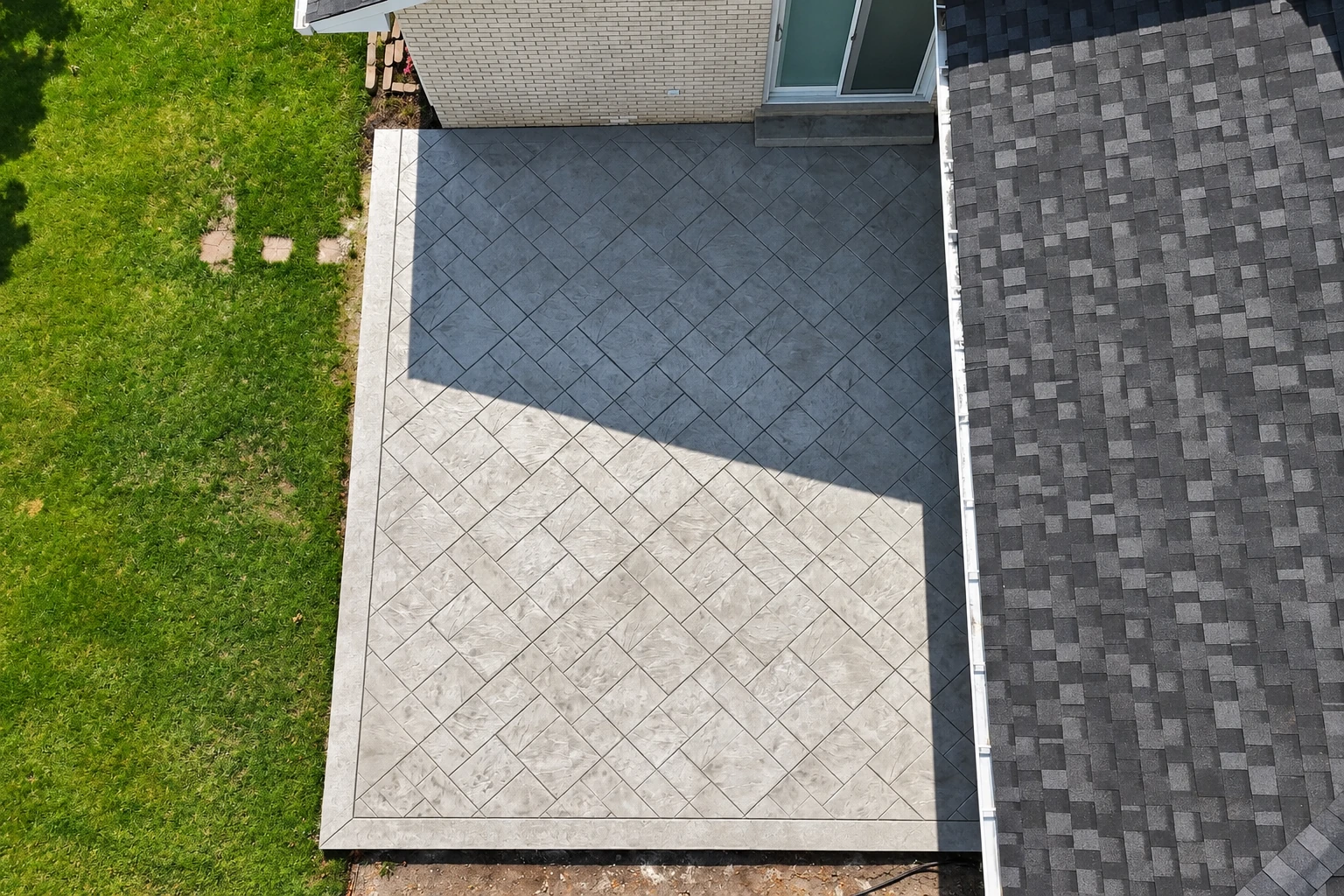
Superior wraps around the western tip of Lake Superior, with bays and rivers along much of its edge, and the calls we get there look a lot like the ones we get at home. Most come from homeowners with a driveway sunk at one corner, a patio cracked through or front steps starting to lean, plus some small business owners who need a lot, a floor or a slab.
We're based in Duluth and do the same work in Hermantown and Cloquet, but Superior sits in Wisconsin, so the city and state rules aren't the ones you'd deal with on the Minnesota side. On the ground, most of the trouble we see starts under the slab, where dirt was raked flat and poured over, so on every Superior job the base and the drainage get planned before anything else.
What sets the price and the timing
Price comes down to the size of the slab, how much old concrete we break out and haul away, how much soft ground we dig out under it, and the finish you pick, since a broom finish, the light texture that gives your shoes grip when it's wet, costs less than stamped concrete. Timing turns on three things: our schedule, a permit review if your job needs one, which the city asks 10 business days for once the application is complete, and curing, the wait while the concrete hardens enough to take weight. You'll walk on it well before you drive on it. After I walk your site, you get a written estimate with your own figure.
How we keep cracks small and planned
Concrete will crack some, so the goal is to keep cracks small and put them where we choose. We dig out soft dirt and pack a new subgrade, the ground the slab sits on, because a base that's only raked level settles and takes the slab down with it. While the concrete is fresh we cut control joints, shallow grooves that give it a straight line to crack along, and we add rebar, steel inside the slab that holds cracks tight, where the job calls for it. If the budget's tight, I'd keep the base and go plainer on the finish, since a plain surface wears fine and a bad base usually means tearing the slab out.
Water, access and the day of the pour
When I walk your lot, the first thing I check is where the water runs, because a slab that falls toward the house sends rain against your foundation, so we set the slope to carry it away. Then I look at how the truck reaches the forms, which gates or fences are in the way, and where you'll park while a new driveway cures or what has to come off the yard for a concrete patio. On pour day our crew starts early, since concrete finished in the midday heat can end up with a weak, dusty top, and I'm on the pour with them.