
The city describes its landscape as shaped by its forests and the St. Louis River, and you see that on jobs here: tall trees close to the house, yards that dip toward wet spots, and driveways that have been patched more than once. We're based in Duluth and work in Cloquet the same way we do in Hermantown. I come out to look at every job myself, and I work alongside our crew on the pour.
Most calls here are driveways, patios, walks and steps at houses, with some slabs and floors for small businesses. On wooded, uneven ground, what decides how long a slab lasts happens before the truck shows up, in the digging, the packed base and making sure water runs away from the house.
What sets the price and the schedule
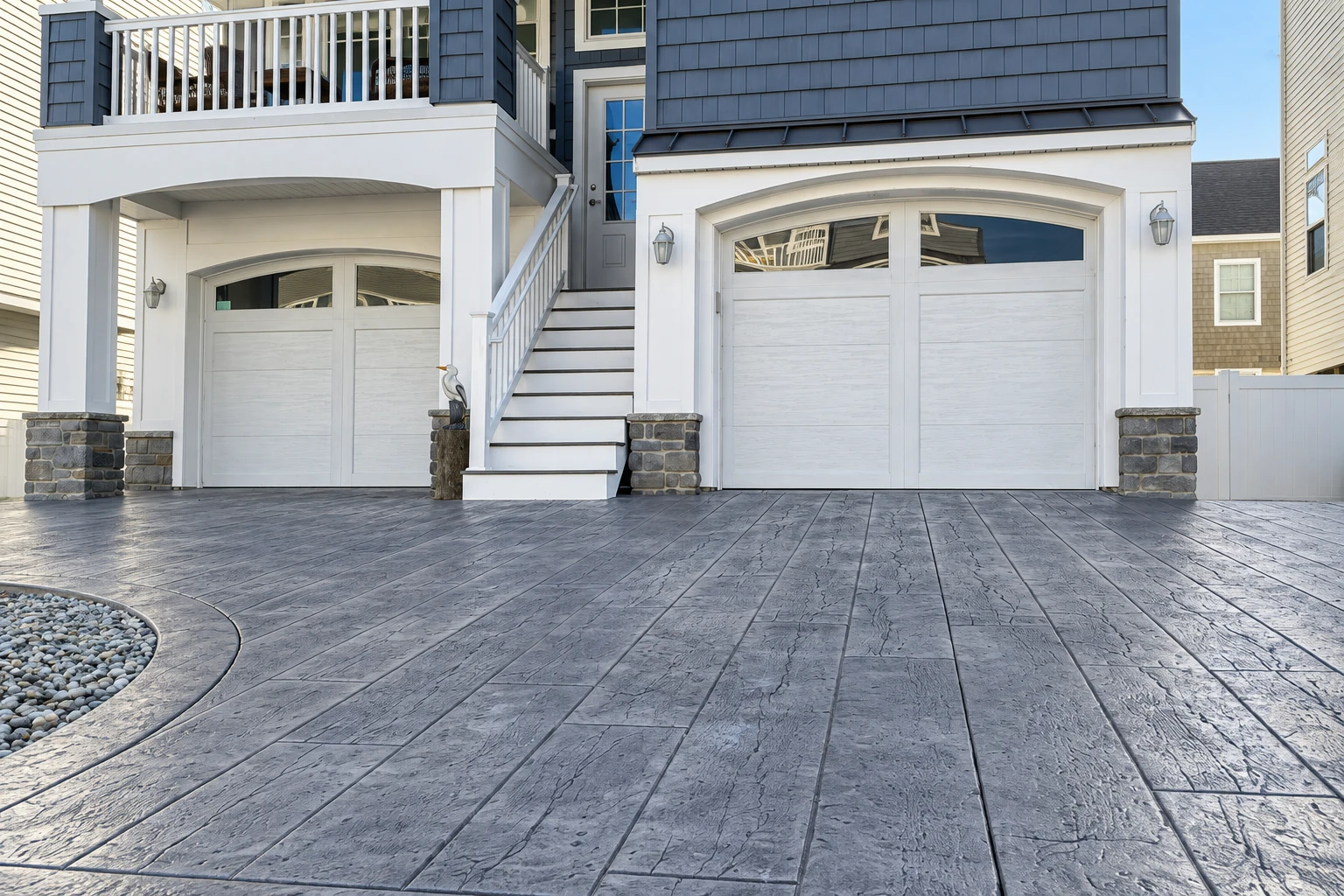
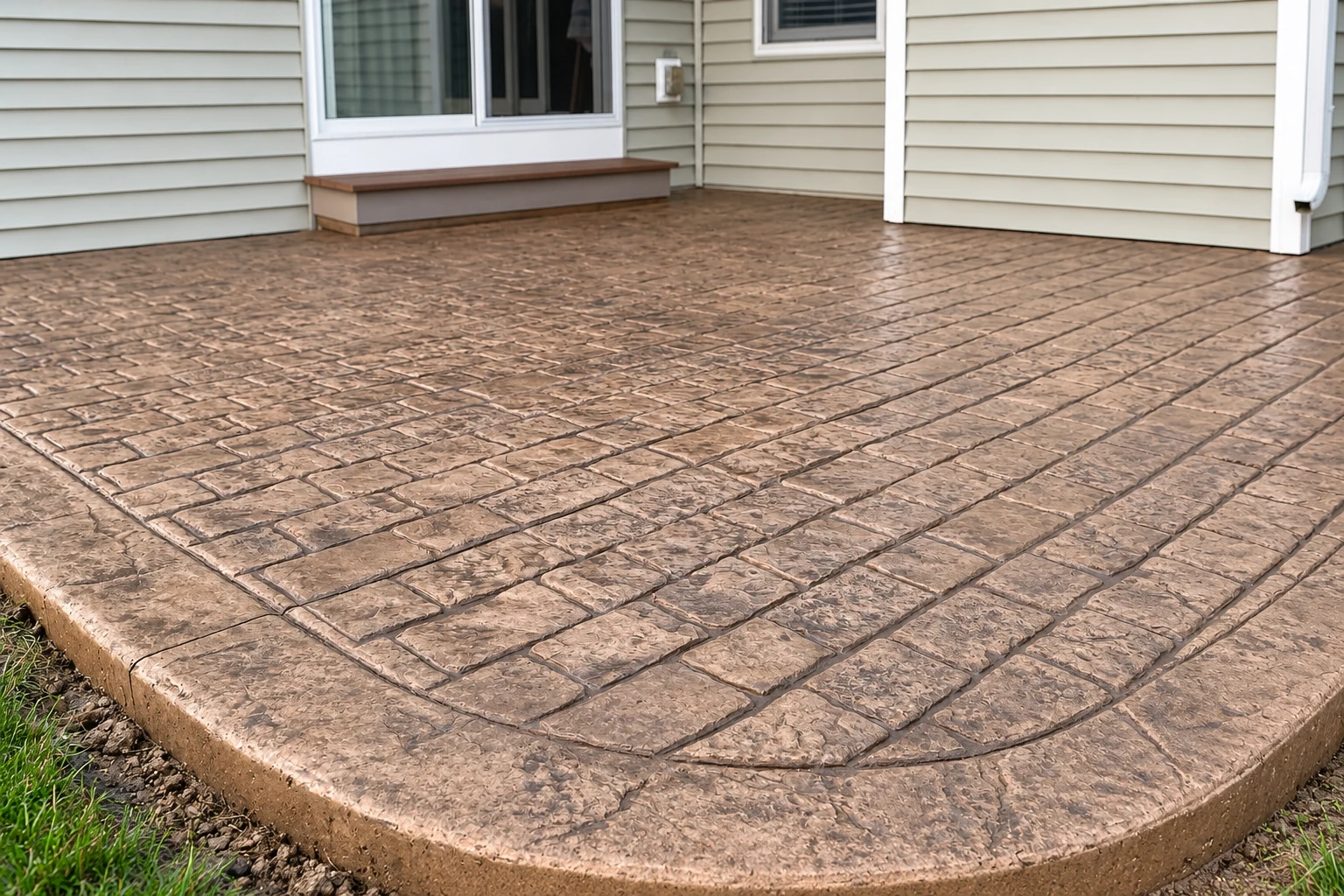
Size and thickness come first, then what's under the old slab. Tearing out a cracked driveway and digging out soft dirt both add cost, and so does a long carry when the truck can't back up to the forms. Rebar, steel set inside the slab to hold it together if it cracks, adds some, and a stamped or colored finish costs more than a plain broom finish, the texture that keeps it from getting slick. The schedule turns on the dig, the pour day and curing, the wait while the concrete gains strength before you walk and then drive on it. I walk the site with you and follow up with a written estimate for your job.
Who handles permits in Cloquet
The city's Building Official issues building permits for work that changes a structure, adds square footage or alters a building, and that applies even when you do the work yourself. Footings and foundations for an addition or a new building usually fall under it. The city's lists don't name driveways or patios, so I don't guess, and you can ask the Community Development department directly. We look into the permit side before you book, tell you which city office handles it, and take care of the application when we're the contractor doing the work. We're licensed and fully insured.
Trees, roots and getting the truck in
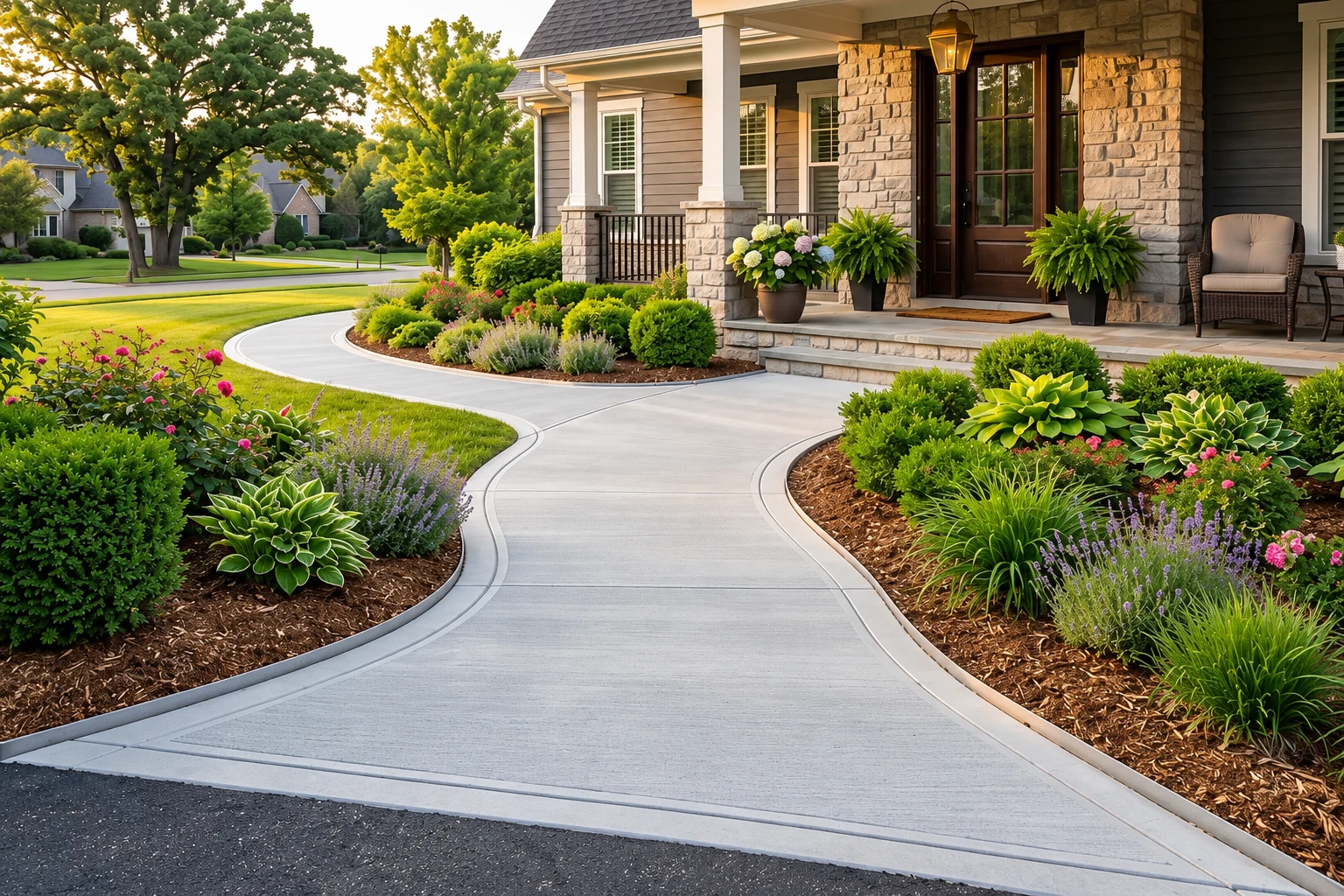
Plenty of Cloquet yards have big trees near the driveway or walk, and their roots are often what lifted the old slab. We cut out the roots in the way and dig out the soft dirt around them, because a slab poured over rotting roots settles as they break down. I also look at where the truck can park and how far we'd carry concrete, since a tight side yard changes the plan. A front walk between trees gets the same look, and our concrete sidewalk building page covers that work. If a tree you want to keep sits where the slab needs to go, I'll tell you plainly what that means.